Sirocco Industrial
Specialised Protective Coating Application in Darwin
Australia-wide services. No job too big or small.
Give your machinery, equipment and structures the best defence against corrosion.
Protection
Protective Coatings Engineered to Last.
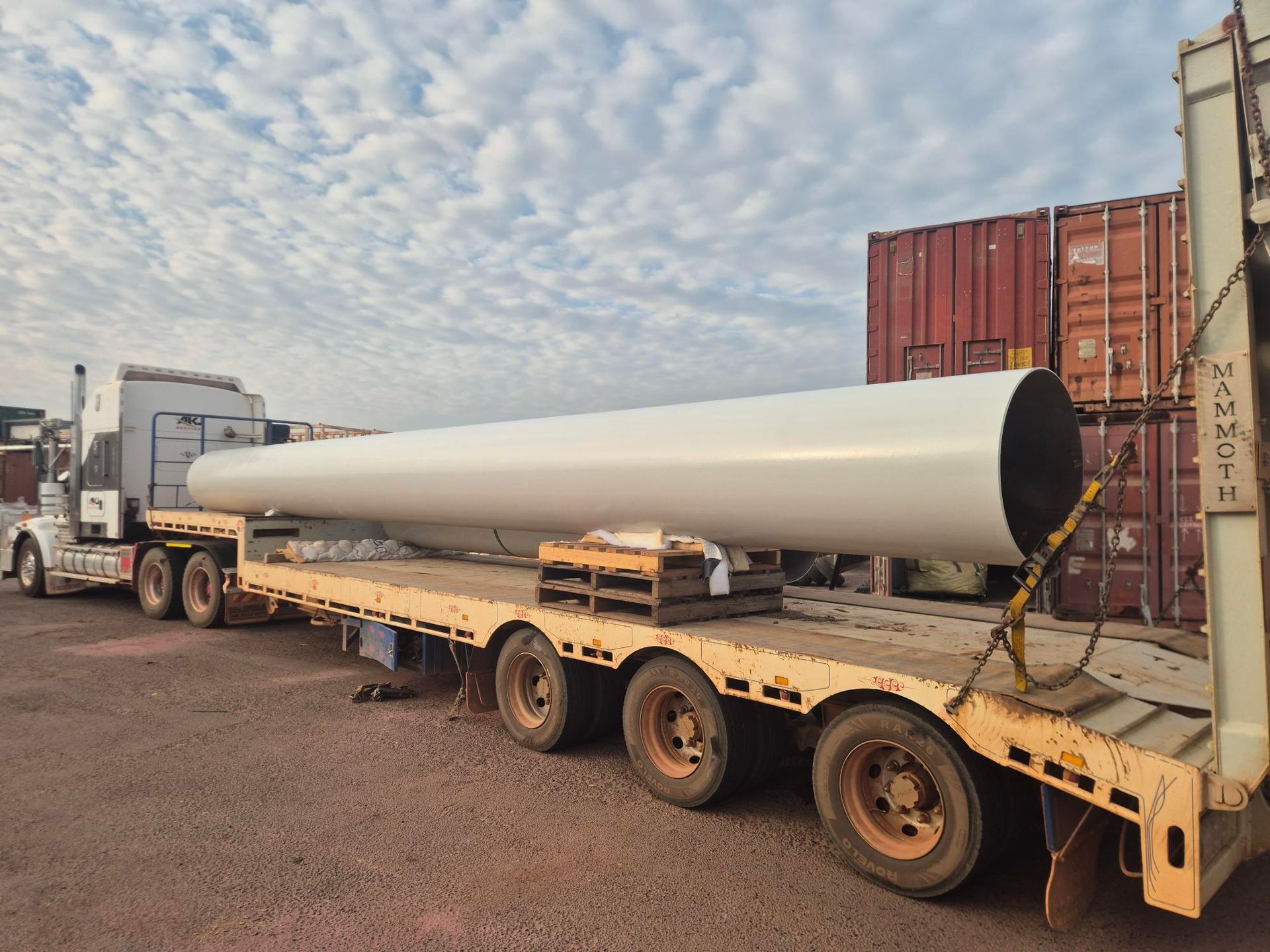
At Sirocco Industrial, we provide high-performance protective coating solutions for clients across the Northern Territory, designed to extend asset life and minimise maintenance. Our industrial coating systems protect a wide range of equipment, structures and surfaces operating in harsh and demanding environments.
Our specialist coatings are formulated to deliver long-lasting performance and can provide:
- Corrosion resistance
- Chemical resistance
- Weather and UV resistance
- Heat resistance
- Abrasion & wear resistance
- Non-stick properties
- Low-friction finishes
- Food-grade coating solutions (where required)
We work with proven coating systems, including epoxy, polyurethane and other high-performance industrial coatings, selecting the most suitable solution for your application and operating environment. Our coatings are available in a wide range of colours, finishes and specifications to meet project requirements and industry standards.
Sirocco Industrial supplies protective coating solutions for the private, mining, oil, gas, marine, power generation, manufacturing and construction industries, delivering durable finishes that protect valuable assets against corrosion, wear and environmental exposure.
To learn more about our protective coating services or discuss your project, contact our team today on
08 8932 6566.
Durability
Protection Against Weathering, Corrosion & Wear
Protective coatings are designed to shield assets from the damaging effects of harsh environments, corrosion, abrasion, chemicals, moisture, UV exposure and everyday wear. By creating a durable barrier between the surface and its operating environment, these advanced coating systems help extend asset life, reduce maintenance requirements and improve long-term performance.
Protective coatings are widely used across industries such as mining, oil, gas, marine, manufacturing, construction and infrastructure, where equipment and structural steel are regularly exposed to demanding conditions. Selecting the right coating system is essential to ensuring maximum durability and long-term protection.
At Sirocco Industrial, we work closely with our clients to recommend the most appropriate protective coating for each application. Taking into account the operating environment, substrate and performance requirements, we tailor coating solutions that deliver reliable, long-lasting protection and a high-quality finish.
Whether you require corrosion protection for structural steel, chemical-resistant coatings for industrial equipment or weather-resistant finishes for outdoor assets, our experienced team provides expert advice and coating solutions throughout the Northern Territory.
Contact Sirocco Industrial today on
08 8932 6566 to discuss the right protective coating system for your project.
Thank you for contacting Sirocco Industrial.
We will get back to you as soon as possible.
Oops, there was an error sending your message.
Please try again later.
What is abrasive blasting used for?
Abrasive blasting is used to remove rust, corrosion, paint, scale and surface contaminants from materials such as steel, metal and other industrial substrates. It is commonly performed as a surface preparation method before applying industrial coatings, protective finishes or corrosion prevention systems.
In heavy industry, abrasive blasting is especially important because it creates a clean, textured surface that coatings can properly bond to. Without proper preparation, coatings may peel, blister or fail prematurely, which can lead to costly repairs and downtime. Abrasive blasting is also used for restoration work, removing old coatings from machinery, vehicles and structural steel, and preparing surfaces for inspection, repairs or re-coating.
Depending on the abrasive media used, blasting can be tailored for everything from aggressive rust removal to more controlled surface cleaning.
What’s the difference between sandblasting and abrasive blasting?
Sandblasting is a type of abrasive blasting, but the term abrasive blasting is broader and more accurate today. Traditionally, sandblasting referred to blasting using sand as the abrasive material. However, due to health and safety concerns associated with silica dust, sand is less commonly used in modern industrial environments.
Abrasive blasting can involve many different media such as crushed glass, steel grit, garnet and other engineered abrasives. Each abrasive has different cutting strength, surface profile results and suitability depending on the job.
In industrial settings, abrasive blasting is typically preferred because it allows better control over the finish and is more compatible with modern corrosion prevention systems. The choice of abrasive material can also affect how well protective coatings adhere and how long they last.
How does abrasive blasting help with corrosion prevention?
Abrasive blasting plays a major role in corrosion prevention because it removes the surface rust and corrosion that can weaken metal over time. More importantly, it prepares the surface for protective coatings by creating a clean profile, which helps primers and topcoats bond properly.
When corrosion is left untreated, it can spread beneath coatings, causing them to lift or break down. Abrasive blasting removes those compromised layers and exposes a stable surface, giving protective coatings the best possible foundation.
In industries such as oil, gas, marine and mining, this process is often the first step in long-term asset protection. A properly blasted and coated surface can withstand harsh weather, salt exposure, chemical contact and heavy wear far better than an untreated surface.
Need Help?
Frequently Asked Questions
What is specialised protective coating application?
Specialised protective coating application is the process of applying advanced industrial coatings that are designed to protect surfaces from corrosion, chemicals, moisture, heat, abrasion and harsh environmental exposure. Unlike standard paint systems, specialised coatings are often engineered for specific conditions, such as marine environments, high-temperature operations or chemical processing sites.
These coatings can be applied to a wide range of substrates including steel, concrete and industrial equipment. The goal is to create a durable barrier that prevents deterioration, reduces rust formation and improves the longevity of the asset. In many industrial environments, this type of coating isn’t optional, it’s a critical part of maintaining equipment performance, safety and compliance.
Because the coatings are high-performance, they usually require more detailed surface preparation and more controlled application methods than traditional painting.
What surfaces can protective coatings be applied to?
Protective coatings can be applied to many different industrial surfaces, but they are most commonly used on structural steel, marine equipment, pipelines, tanks, heavy machinery and industrial frameworks. They can also be applied to concrete surfaces in certain situations where moisture and chemical exposure are an issue.
The suitability depends on the condition of the surface and the type of coating system being used. For example, coatings used for corrosion prevention on steel require the surface to be properly cleaned and prepared so the coating can bond effectively. In environments where heat or chemicals are involved, the coating must also be chosen carefully so it doesn’t degrade or fail prematurely.
A proper assessment of the substrate is important, because coating failure is often caused by poor preparation, contamination or applying the wrong product for the environment.
How long do specialised protective coatings last?
The lifespan of a specialised protective coating depends on the type of coating used, the environment it’s exposed to and the quality of surface preparation and application. In many industrial settings, a properly applied protective coating system can last for years before needing major maintenance, especially when it is regularly inspected and maintained.
However, harsh conditions such as salt water exposure, constant abrasion, chemical contact or extreme heat can reduce coating life if the system isn’t designed specifically for those factors. That’s why industrial coating systems are often built in layers, using primers, intermediate coats and topcoats that work together to provide the best possible protection.
When the correct coating is selected and applied properly, the result is reduced corrosion risk, lower repair costs and less downtime for maintenance.
Send Us a Message
Thank you for contacting Sirocco Industrial.
We will get back to you as soon as possible.
Oops, there was an error sending your message.
Please try again later.


